
Want to get leaner and stronger? Start here.
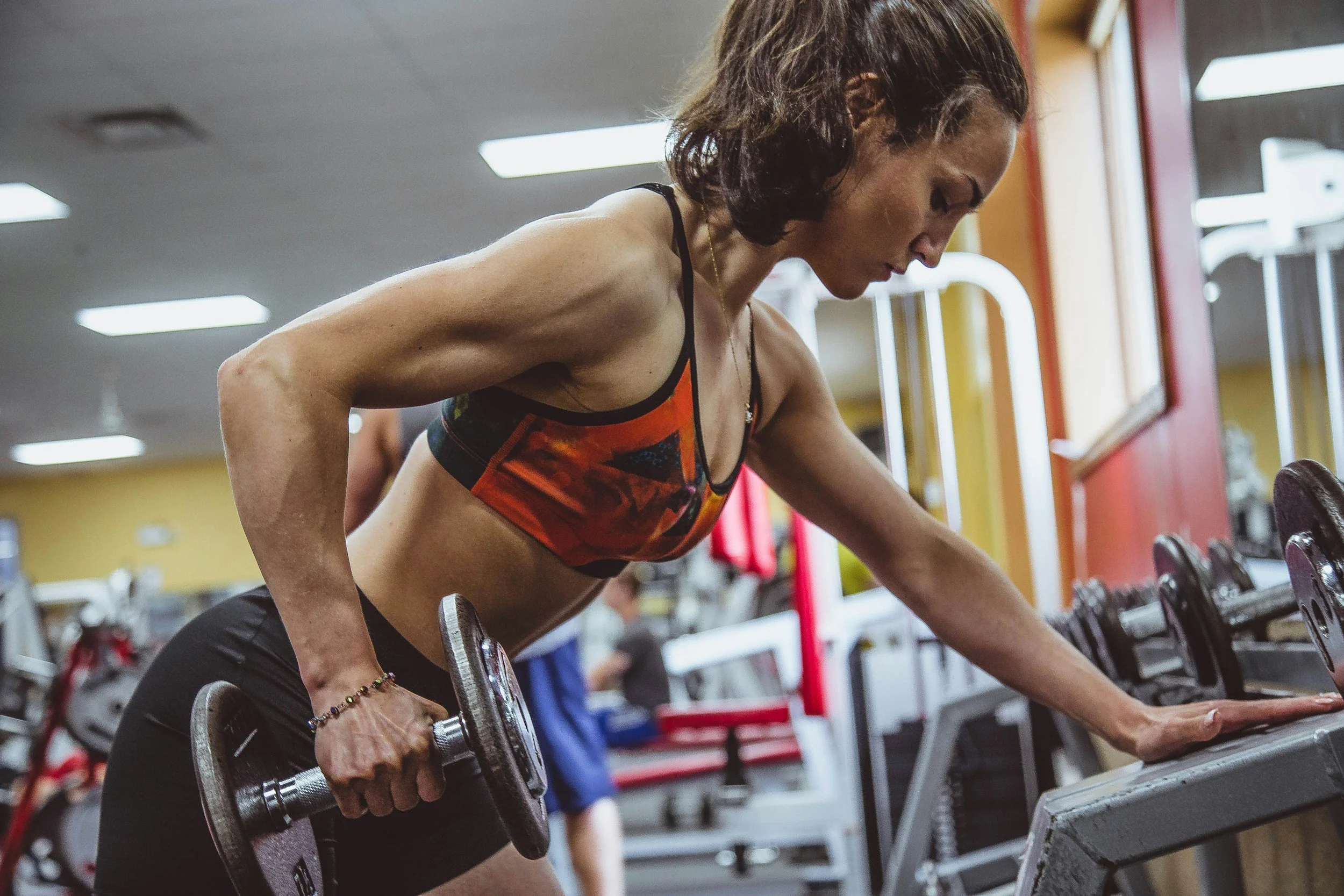
So many clients come to me wanting to lose weight. But what they’re actually looking for is that toned, strong look - and thats not simply weighing less.
Looking “toned” comes from building and maintaining muscle, getting stronger, and reducing body fat so that muscle becomes more visible. The tricky part is that there are plenty of ways to lose weight, but not all of them preserve muscle - and losing muscle is the last thing you want to do.
This is an area I particularly love helping people with, because what worked when we were younger often doesn’t work the same anymore. As we get older we need to get more specific about how we eat, how we train and how we approach fat loss.
These are the four things I’d focus on:
1. Eat enough protein
This would be non-negotiable.
For active adults, I’d aim for minimum 1.6–2.4 g of protein per kg of body weight per day, spread across the day to support better appetite regulation and blood sugar balance. Research supports the higher end of 2.4g x kilo of body weight is more effective for fat loss when combined with exercise and a calorie deficit.
One of the biggest things I see in clinic is people eating far less protein than they think. Breakfast and lunch are usually where clients fall short.
Two eggs on toast for brekky and sushi for lunch is a very low protein start to the day.
The other thing to consider as we get older (getting a bit sciency here) is that protein quality matters. One of the key amino acids we need to prioritise is leucine, which acts as the key trigger amino acid for muscle protein synthesis. As we age our muscles are less responsive to smaller protein doses, so getting enough high quality, leucine rich protein at each meal becomes important. Think meat, seafood, eggs, dairy and whey protein powder. Plant proteins also provide leucine but in much lower amounts, so need larger portions of these foods.
2. Lift weights - Progressive Overload
If you want to change your body composition, give your body a reason to build muscle.
Strength training 3–4 times per week is one of the best things you can do as you age to prevent sarcopenia, muscle loss and help your metabolism stay efficient. The more muscle you carry, the more glucose your body can store and use - instead of it circulating in your blood or getting stored as fat. Simply put: more muscle means better blood sugar control and more metabolic "storage space" for the food you eat.
And trust the process.
When you’re losing fat and gaining muscle, the scales might not move much at all - but your clothes can fit differently, your body can look leaner and more toned, and you will become stronger.
3. Create a calorie deficit
Fat loss ultimately requires a calorie deficit.
But that doesn't mean weighing every meal or tracking macros for the rest of your life. There are much simpler ways to get there - choosing more satisfying foods, prioritising protein and fibre, cutting back on energy-dense extras, reducing alcohol and building meals that keep you full and satisfied.
4. Make your plate BIG
This is where volume and fibre become your best friends. If you've made it this far, the word "fibre" might have you a little confused after my last email - fibre is almost always great, but there are situations where we need to dial it back.
A small meal can pack a surprising number of calories and still leave you hungry 2 hours later.
Instead, make your meals physically satisfying by filling your plate with plenty of high-fibre, lower-energy-density plant foods. You want your brain to register a big, satisfying meal - one that keeps you in a deficit without ever feeling like you're starving.
